
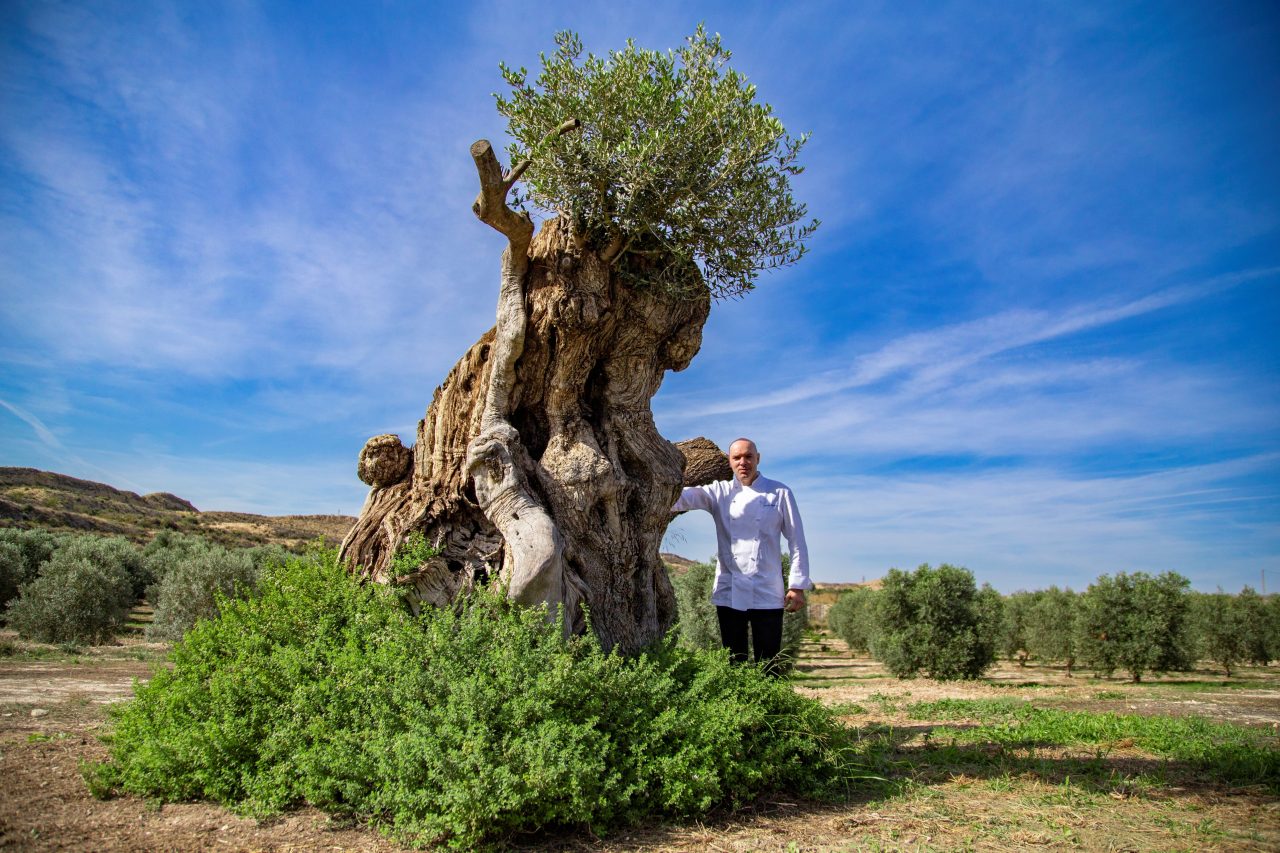
Olivier Chaignon’s Perspective on Microbiome Farming
Growing up in the natural surroundings of France, Chef Chaignon enjoyed fishing and foraging for mushrooms.
Having built his career through experience in various restaurants, Chef Chaignon recounts his surprise upon his first visit to Japan at the perfectly uniform shape, color, and size of the vegetables and fruits lining the shelves of Japanese supermarkets.
When Chef Chaignon began visiting various ingredient production sites in Japan as part of his work, his increased interaction with producers revealed the shocking amount of discarded non-standard vegetables and fruits. He also started hearing firsthand accounts from farmers about their annual illnesses caused by pesticide use.
Driven by his role as a chef, who handles ingredients, and personally, as a father of two, he felt compelled to find a way to improve this state of agriculture.
Amidst this backdrop, he encountered the alternative approach, “Microbiome Farming.” Driven by his relentless pursuit of superior ingredients, Chef Chaignon resolved to champion this farming technique, recognizing its potential to increase the supply of safe and healthy produce for both the environment and people.
Microbiome Farming Method
“Microbiome Farming” is an organic, pesticide-free agricultural technique that employs carefully chosen lactic acid bacteria and their metabolic products. Fundamentally, it’s an environmentally regenerative agriculture that works with natural microorganisms in the environment.
In Japan, conventional agriculture, which accounts for 99% of current practices, involves chemical fertilizers and pesticides. In contrast, organic farming, which focuses on soil building without using pesticides, herbicides, or chemical fertilizers, remains at a mere 0.5% within the country (Source: Ministry of Agriculture, Forestry and Fisheries (Japanese only)).
Countless microorganisms and fungi naturally inhabit the soil. However, pesticides and chemical fertilizers can also disrupt the beneficial microorganisms and fungi important for soil nutrients, resulting in soil degradation.
In contrast, microbiome farming is a form of pesticide-free cultivation that aims to grow crops from the soil by leveraging the full potential of naturally occurring microorganisms in the environment, including those in the soil and on plants.
Microbiome farming involves scattering a specific lactic acid bacterium in the soil to develop a unique microbial ecosystem for cultivating vegetables and fruits. This enables organic agriculture that repels pests without the need for chemical fertilizers or pesticides. Moreover, when raising livestock such as chickens and ducks, adding the same lactic acid bacteria to their feed helps regulate their gut health. This allows them to stay consistently healthy, thus eliminating the need for antibiotics and other substances.
The Pursuit of Microbiome Gastronomy
Produce cultivated through Microbiome Farming are abundant in micronutrients rich with vitamins and minerals. Utilizing these ingredients to their maximum potential in cooking gives rise to “Microbiome Gastronomy,” which promotes health and longevity.
Chef Chaignon’s ethos is “Our bodies are made by what we eat. It’s only natural that both health and beauty begin with food.”
The Journey So Far
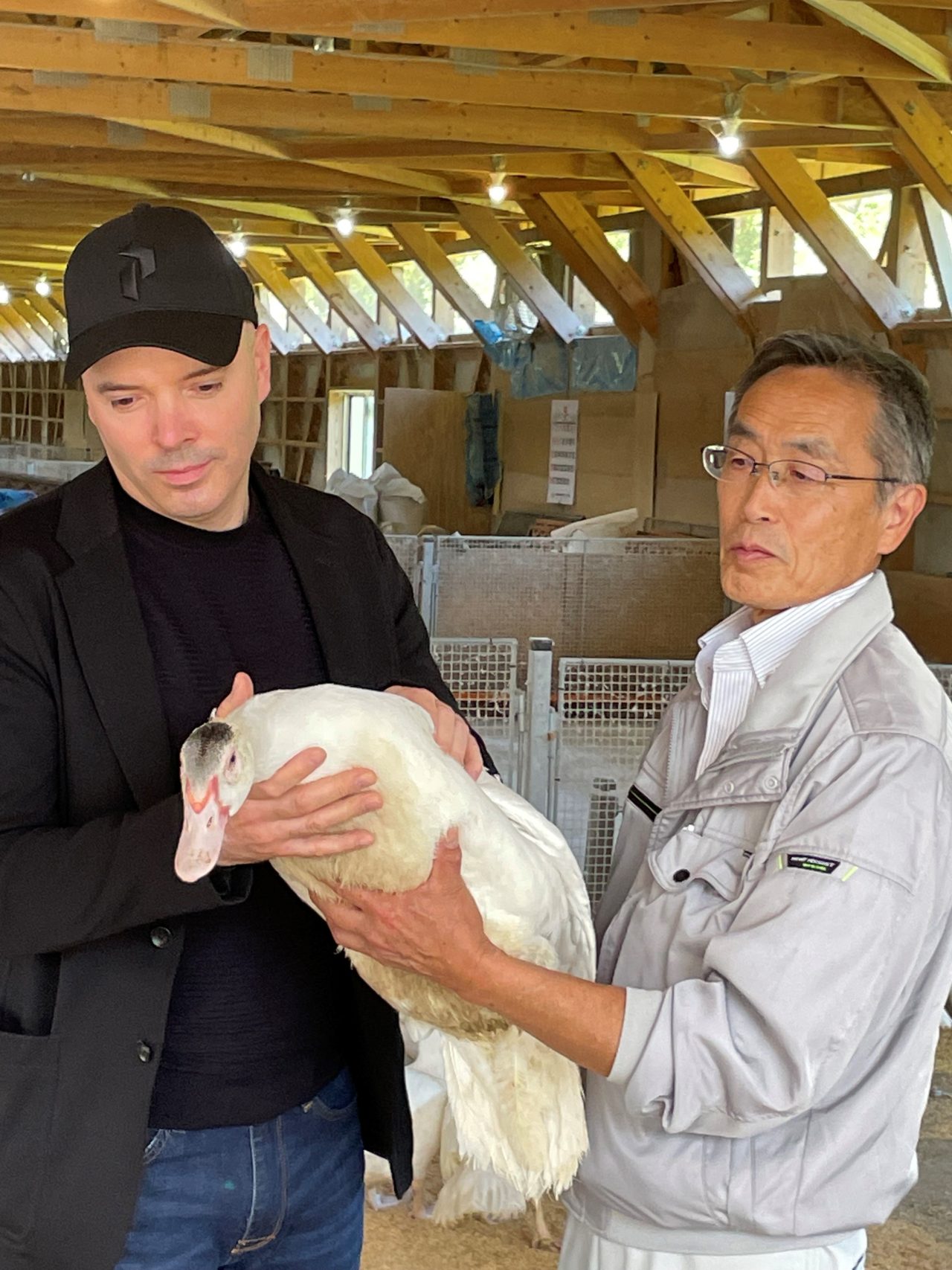
Mr. Hatanaka, who represents “Gin no Kamo” in Shingo Village, Aomori Prefecture, feeds his ducks a diet that includes carefully selected lactic acid bacteria, a key component of microbiome farming.
According to Mr. Hatanaka, a 35-year duck farming veteran, the difference with this new feed is remarkable. “The growth rate of these ducks is incredible, and I’m sure their natural immunity has boosted. They even seem much healthier and happier! What’s more, it’s not just the growth; the quality of their meat is better, and the taste is noticeably superior. We also feed it to our laying ducks, and their egg production has increased, allowing them to lay longer than they used to. I experience the benefits of lactic acid bacteria daily,” he explains.
Essentially identical to the high-quality Barbary duck breed of Northern France, the Gin no Kamo has already become a staple of L’Osier cuisine. Chef Chaignon presents each plate using only the finest ingredients with utmost consideration and compassion.
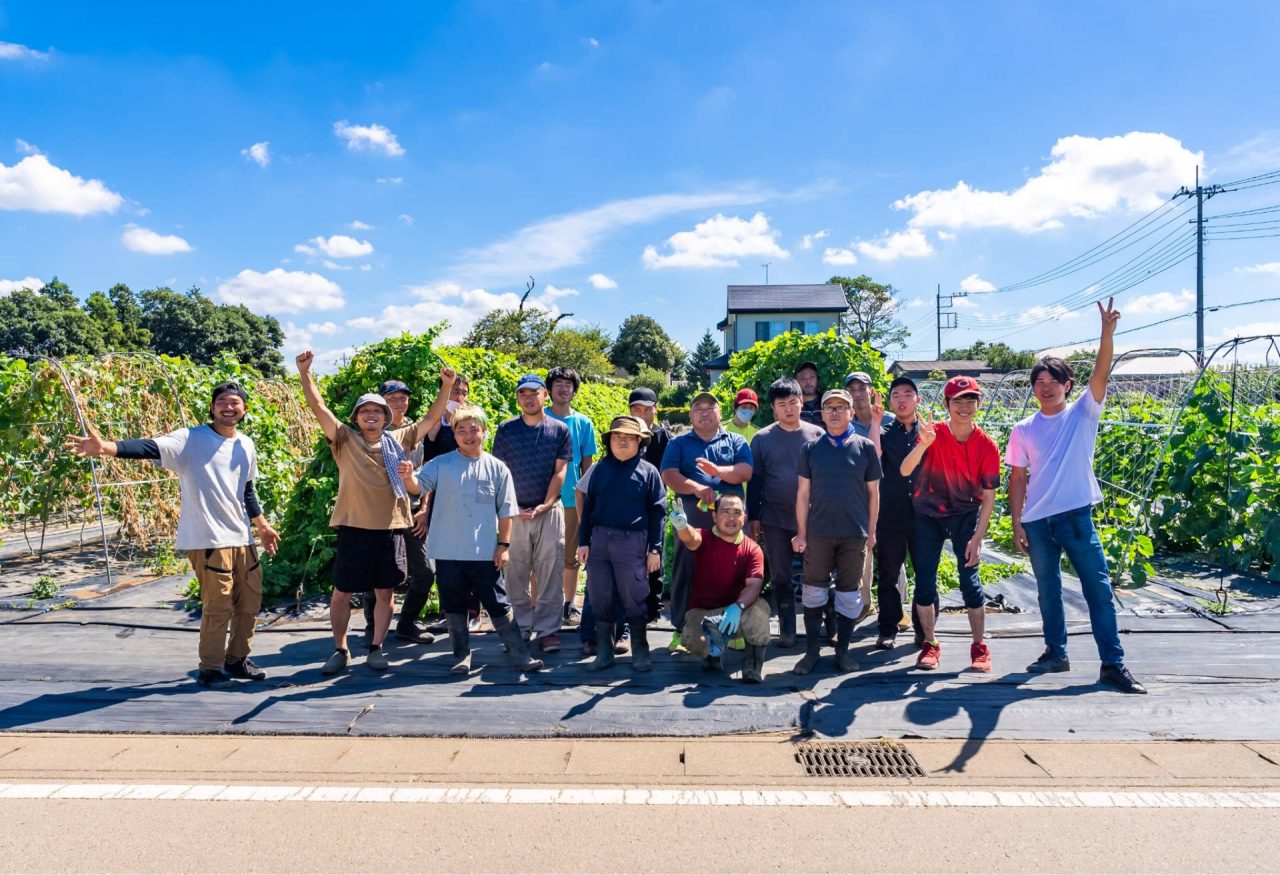
The Non-Profit Organization Your Field Tsukuba, a fervent advocate for connecting agriculture with welfare, operates nature-friendly organic farming with people with disabilities. Finding deep resonance with the principle that “microbiome farming’s focus on utilizing soil microorganisms and drawing out nature’s inherent power aligns with our core values,” they are collaborating with Chef Chaignon to develop carrot juice.
“We have been proponents of organic cultivation, avoiding chemical fertilizers and pesticides. We’re excited about the potential of microbiome farming to make our soil even richer and enhance the quality and quantity of our vegetables.
We intend to offer the juice from our farm-grown carrots to many people, including those at L’Osier. By integrating the power of microorganisms into organic farming, we hope to foster a beneficial cycle for producers, consumers, and especially the land. The individuals with disabilities who work on our farm are also enthusiastically involved in this new endeavor.”
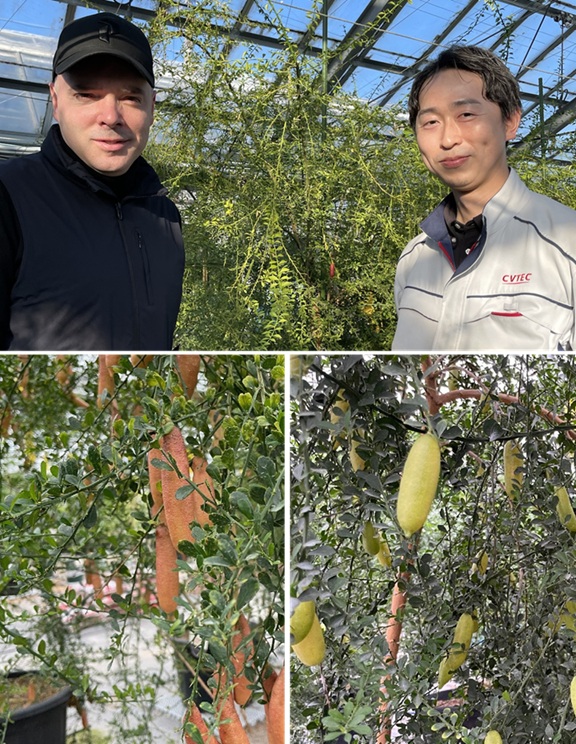
CVTEC Co., Ltd., a manufacturer of automotive parts, is involved in growing finger limes. They are applying the expertise cultivated in their manufacturing business to finger lime cultivation using microbiome farming.
“Finger lime cultivation is still in its early stages in Japan, and reliable growing techniques haven’t been established yet. To combat this, we’re using data to optimize growing conditions, such as maximizing photosynthesis. We’ve also just embarked on the challenge of microbiome farming, which leverages the power of soil microorganisms. We have high hopes for the positive effects this innovative method will have on our finger lime growth and quality. We know we have much to learn, but we’re determined to advance, step by step, and pave the way for domestic finger lime cultivation.”
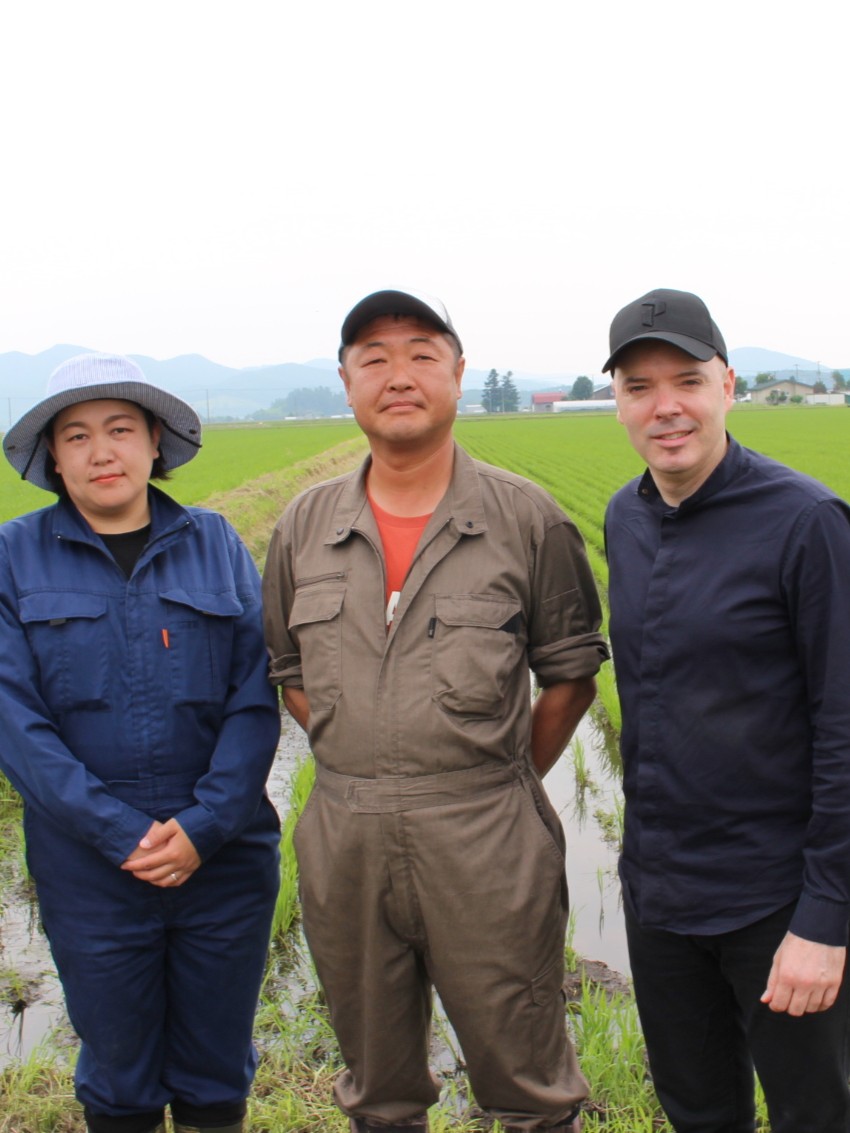
The Yasutomo couple in Asahikawa City, Hokkaido, are Japan’s sole cultivators of the sake rice “Ginpu” using microbiome farming.
Already producing JAS-certified organic rice, the Yasutomos are now venturing into microbiome farming, injecting a new energy into Asahikawa.
“Growing Ginpu for Fukuchiyo Sake Brewery’s Nabeshima brand is already a privilege, but being part of this innovative project with Chef Chaignon and Fukuchiyo Sake Brewery is a real honor!”
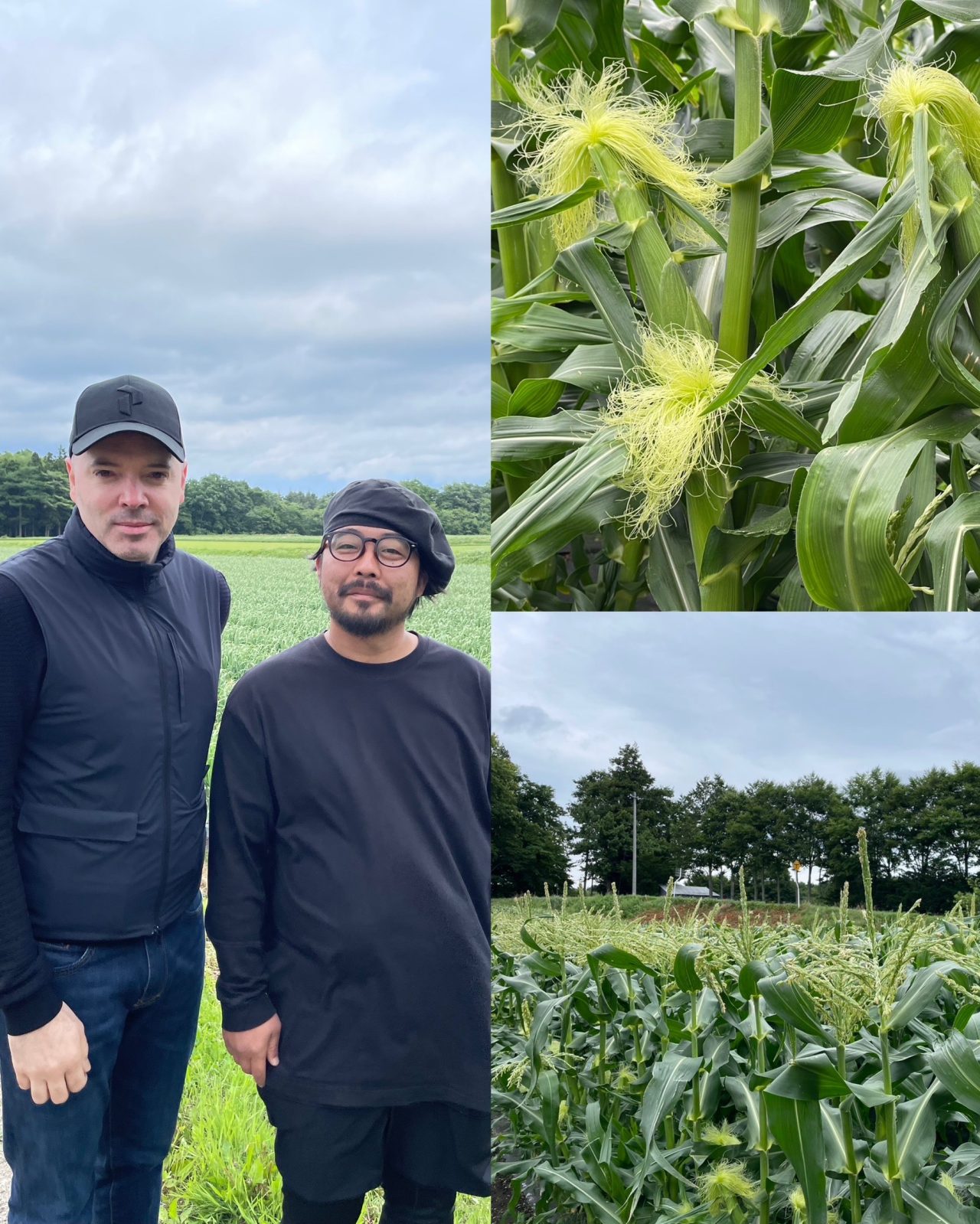
In the summer, Mr. Nakahira from “Sato no Kimi,” who delivers corn to L’Osier’s kitchen, is leading a new era of agriculture at his farm, boasting a rich history of over 100 years, in Shingo Village, Aomori Prefecture, using the Microbiome Farming method. “Corn, which was said to be difficult to grow without pesticides and fertilizers, could be harvested about a week earlier than usual thanks to the Microbiome Farming method. The taste also changed, becoming a variant with clear sweetness without bitterness. By continuing this farming method, I believe the corn will become even more delicious as the soil environment improves.”
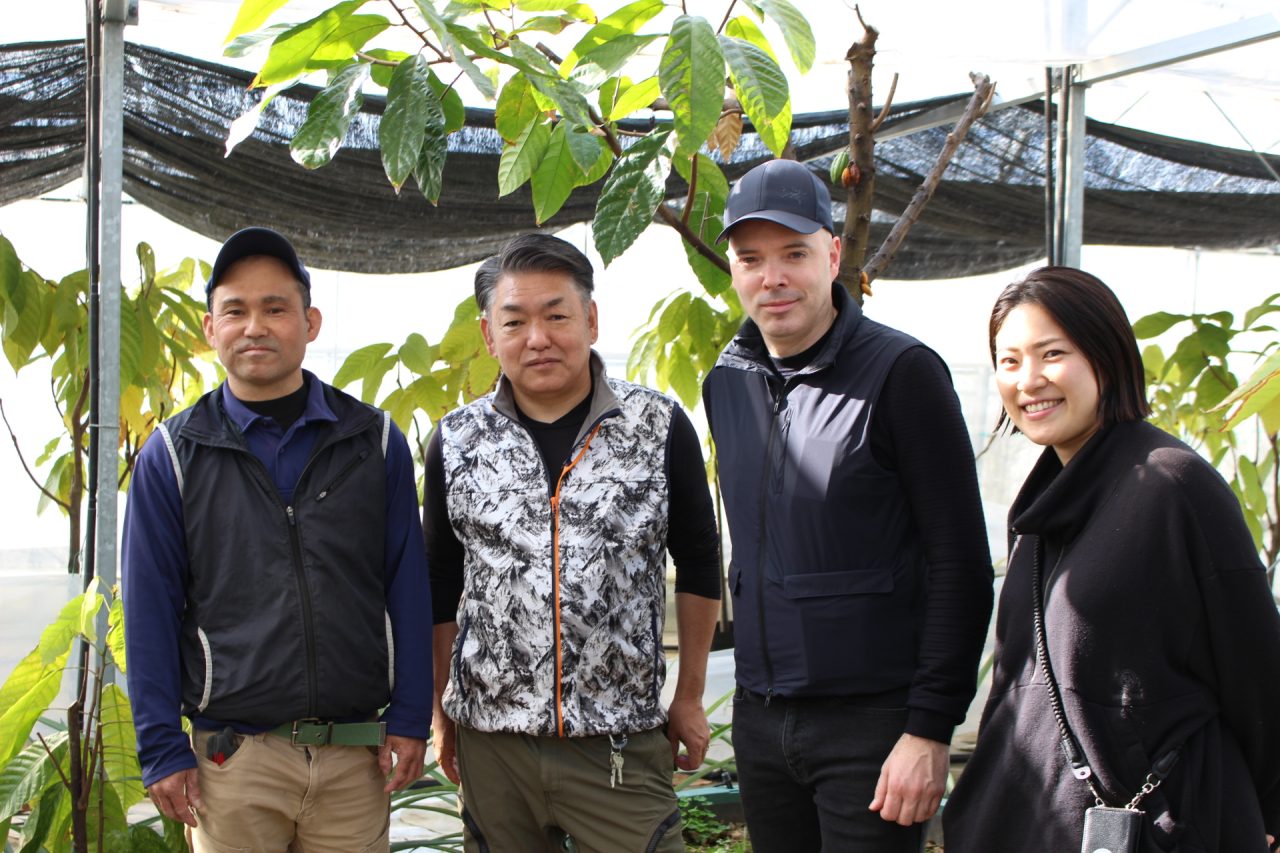
Amidst a global decline in cacao production due to the effects of global warming, Japan Cacao (Represented by Mr. Sato), convinced that cacao could be produced in Japan, is working on cacao cultivation in Miyazaki City, Miyazaki Prefecture. To cultivate high-quality Japanese cacao beans, they are collaborating with Ichigo Potager Co., Ltd. (Represented by Mr. Taguchi) to develop cultivation and processing technologies to contribute to the promotion of exports for Miyazaki Prefecture and Japan as a whole through the development of primary industries. “By adopting the Microbiome Farming method for Japanese cacao beans, we aim to create chocolate that brings health and longevity, just like Chef Chaignon’s Microbiome Gastronomy!”
Media Coverage
Nikkei The Style (Japanese only)
Ideas For Good (Japanese only)
Tabelog Magazine (Japanese only)
Collaborate with Olivier Chaignon
“I alone cannot change the world by myself. I want to work with people who share the same vision to spread organic, pesticide-free agriculture in Japan and increase the availability of the best ingredients for the natural environment and people’s health. Microbiome farming is one of the means to make this possible. I would love for any interested producers to try, as I am always searching for the best ingredients to deliver a profound culinary experience for customers who enjoy my cuisine.”
Contact us below for more information, and a representative will reply within a few days.